Meta Ads vs Google Ads: Which Should Your Business Start With?
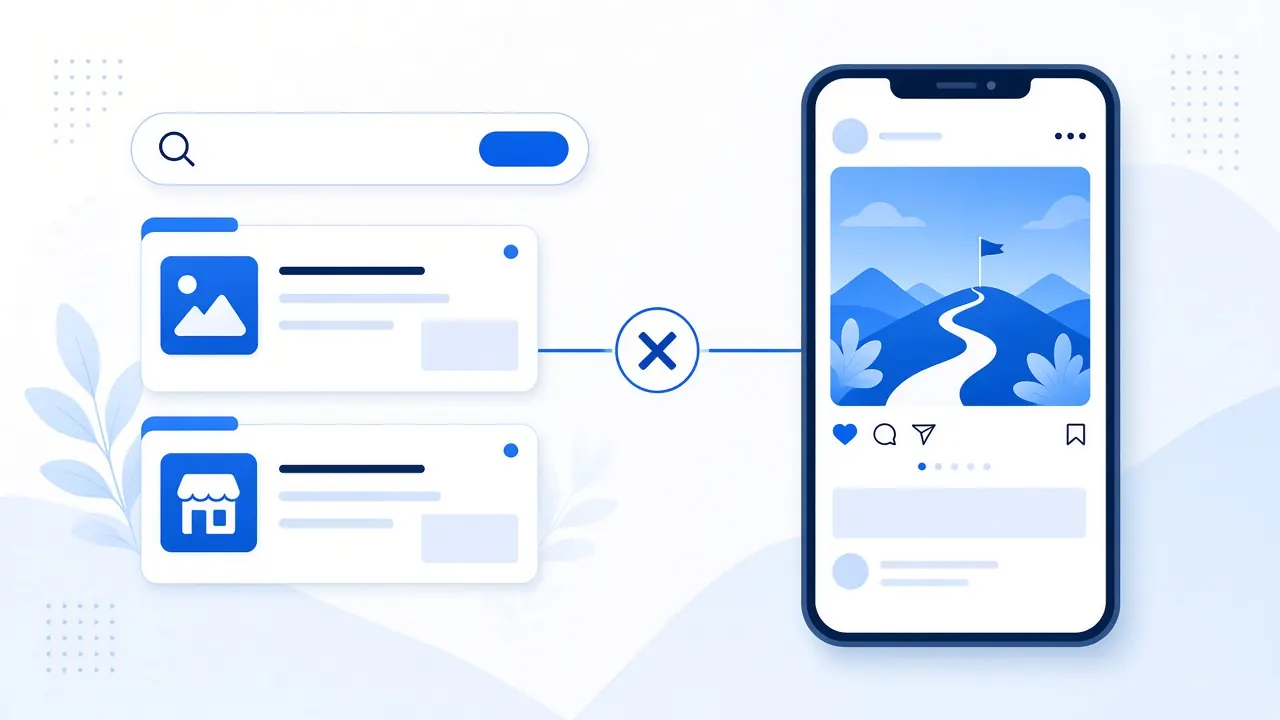
Choosing between Meta Ads and Google Ads is one of the most common questions businesses ask when they start advertising online. Both can work extremely well, but they reach people at different moments — and that difference should drive your decision.
How Google Ads works
Google Ads is built around intent. People type what they need into a search box, and your ad appears when their search matches your keywords. Because the person is already looking for a solution, search campaigns often produce enquiries quickly.
Google Ads tends to suit businesses where customers actively search for the service — for example, local services, B2B solutions or high-consideration purchases.
How Meta Ads works
Meta Ads (Facebook and Instagram) is built around audiences and attention. Instead of waiting for a search, you reach people based on their interests, behaviours and similarity to your existing customers. Creative matters enormously, because you are interrupting someone’s feed.
Meta tends to suit visual products, new categories people do not yet search for, and businesses that want to build awareness and demand.
Questions to help you decide
- Do people already search for what you sell? If yes, Google Search is usually the fastest place to capture demand.
- Is your product visual or impulse-friendly? Meta’s image and video formats are a natural fit.
- How much creative can you produce? Meta rewards fresh creative; Google Search relies more on relevance and landing pages.
- What is your budget? Smaller budgets are usually better concentrated on one platform first.
Why tracking matters more than the platform
Whichever platform you choose, the result depends on measuring the right thing. Set up conversion tracking for enquiries, calls or purchases before you launch. Without it, both platforms optimise for clicks — and clicks alone do not grow a business.
The best answer is often both — in sequence
Many businesses start with Google Search to capture existing demand, then add Meta to build awareness and retarget visitors. The key is to start focused, learn from real data, and expand once the first channel is working.